History
How coffee left Ethiopia
Season 03 · Vol. 09 · 10 min
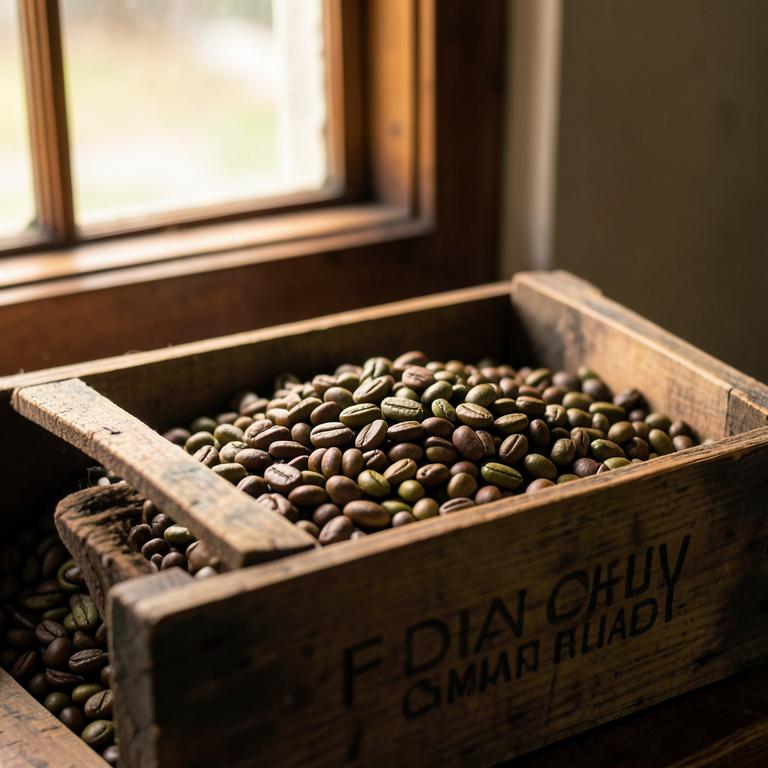
Coffee's wild home is the montane forest of southwestern Ethiopia, where Coffea arabica still grows under canopy. How it became a cultivated drink is a story of trade across the Red Sea.
By the 15th century, Sufi communities in Yemen were brewing coffee to stay awake through night devotions. The port of Mocha became the first great coffee entrepôt, and Yemen guarded its monopoly fiercely — beans were boiled or parched before export so they could not be planted.
The monopoly broke in the 1600s. Pilgrims and traders carried viable seeds to India, and Dutch merchants moved plants to Java. Within two centuries coffee was planted across three continents.
Every bag of Arabica on a shelf today descends from that narrow genetic corridor out of Ethiopia — which is why the forests of Kafa matter to everyone who drinks coffee.
Sources
- Uncommon Grounds — Mark Pendergrast, 1999
- Coffee: A Global History — Jonathan Morris, 2019
- The World Atlas of Coffee — James Hoffmann, 2018